Decoding Cross-Device Reward Pathways in Regulated Nordic Wagering Ecosystems
Kirjoittanut Ulrich Koch · 14.9.2026
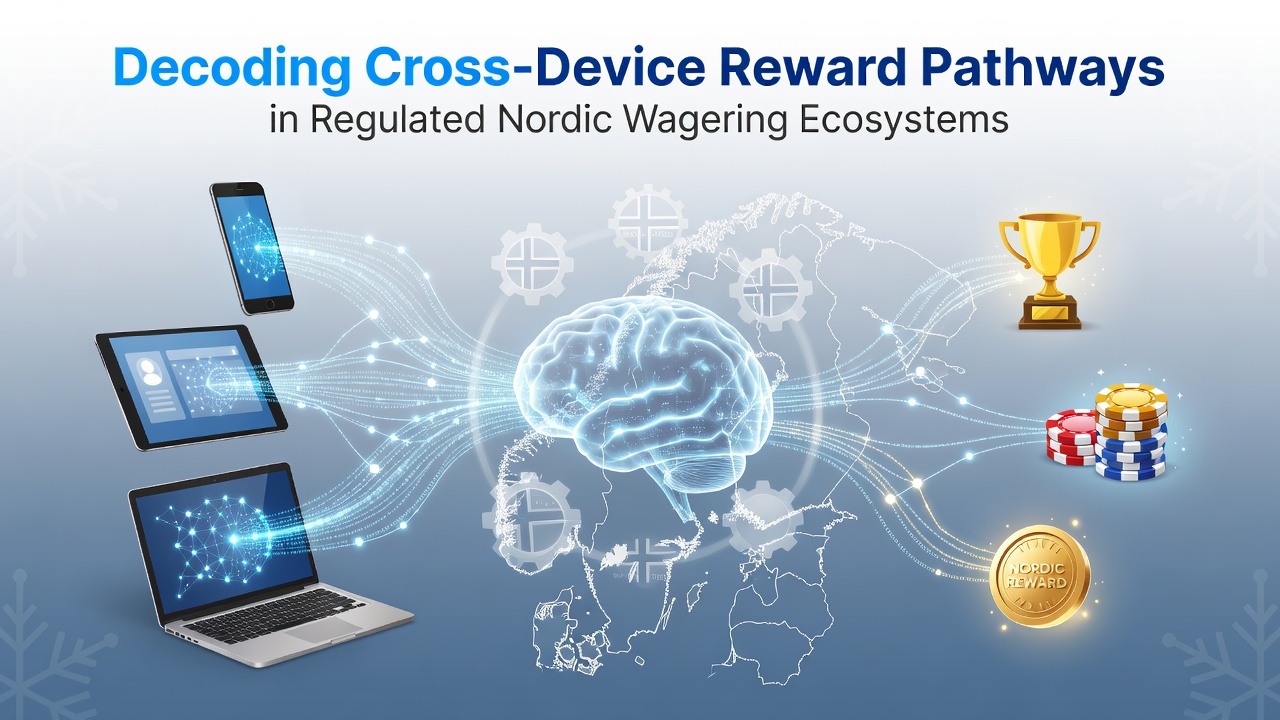
Decoding Cross-Device Reward Pathways in Regulated Nordic Wagering Ecosystems
Regulated wagering markets across the Nordic region maintain complex systems that track player activity and distribute rewards across multiple devices, with operators required to follow strict licensing rules that govern how data moves between smartphones, tablets, and desktop interfaces. These frameworks emerged after market liberalizations in Sweden and Denmark, while Finland retained its state monopoly structure under Veikkaus, and each jurisdiction demands that reward pathways remain transparent and auditable at every step.
Core Mechanics of Cross-Device Tracking
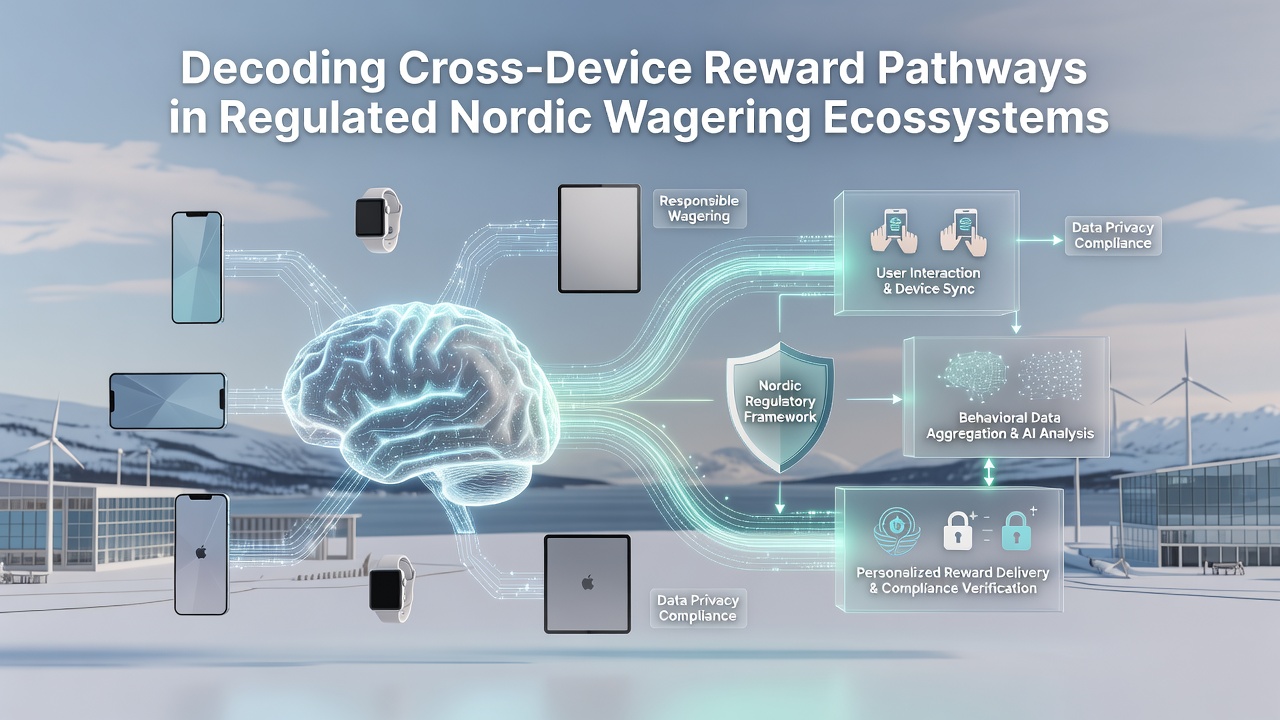
Operators deploy unified player accounts that link sessions through device fingerprinting, IP analysis, and encrypted tokens, so that a bonus earned on a mobile app during a commute registers instantly when the same user logs in from a desktop at home. Data from regulatory filings shows that such synchronization prevents duplicate claims while allowing layered incentives like deposit matches and free spins to accumulate without resetting based on hardware changes. Researchers at Nordic universities have documented how these systems rely on centralized ledgers that update in real time, reducing discrepancies that once arose when players switched platforms mid-session.
Regulatory Requirements Shaping Reward Delivery
Authorities in Sweden and Denmark require operators to maintain logs of every reward transaction for at least five years, and these records must demonstrate that cross-device pathways do not favor one platform over another in violation of fairness rules. As of September 2026, updated directives from the Nordic Council emphasize interoperability standards that force platforms to share reward status data securely, yet without exposing personal identifiers beyond what licensing conditions permit. Observers note that Norwegian operators, although operating under a different monopoly model, have begun aligning their technical specifications with these emerging norms to facilitate smoother cross-border player verification in future joint initiatives.
One documented case involves a major licensed operator that introduced device-agnostic loyalty tiers, where progress toward cashback rewards continued uninterrupted whether the player completed qualifying bets on an iOS application or through a browser-based interface. Figures released by the Danish Gambling Authority indicate that such unified tracking reduced player complaints about lost progress by over 30 percent within the first year of implementation, while compliance audits confirmed that reward calculations remained consistent across hardware types.
Technical Integration and Data Security Protocols
Secure APIs form the backbone of these pathways, transferring encrypted session data that includes wager history, bonus eligibility, and account balances while complying with GDPR and national data protection statutes. Experts from the European Gaming and Betting Association have highlighted how end-to-end encryption combined with multi-factor authentication limits unauthorized access during device switches, and industry reports confirm that most licensed Nordic operators now employ token-based handoffs that expire after a single use to minimize interception risks. The ball remains in the operators' court to demonstrate through regular third-party audits that these measures hold up under increasing transaction volumes.
What's notable is the way progressive jackpots and tournament entries sync across devices without requiring players to restart enrollment processes, a feature that became standard after 2024 regulatory reviews in both Sweden and Denmark. Studies from academic institutions in Finland have examined latency issues during peak hours and found that optimized cloud-based routing keeps reward updates within acceptable delays of under two seconds on average, preserving the seamless experience demanded by licensing conditions.
Future Developments in Nordic Reward Ecosystems
Industry organizations project that by late 2027 additional layers of biometric verification could integrate into existing cross-device frameworks, further tightening security without adding friction for legitimate users. Data shared at recent Nordic gaming conferences shows continued investment in real-time analytics that predict when players are likely to switch devices, allowing preemptive reward adjustments that maintain engagement levels across sessions. Those who have examined the technical specifications note that these advances build directly on the foundation established by current licensing regimes rather than replacing them outright.
Conclusion
Cross-device reward pathways in regulated Nordic wagering ecosystems operate under tightly controlled conditions that prioritize traceability, fairness, and data protection while enabling operators to deliver consistent player experiences. Regulatory bodies continue to refine technical standards, and operators respond with incremental improvements that align with evolving compliance expectations. The documented patterns reveal steady progress toward more integrated systems that respect jurisdictional differences yet accommodate the reality of multi-device usage among players.